Tuesday, August 16, 2011

Historic Willamette District in West Linn


Some cities have a great supply of historic buildings and others have to create their downtown, or fill in where buildings have been demolished or just didn't exist. In the Willamette District of West Linn, they have a bit of both. They have a small historic district and have added the "historic feel" to the zoning and overlay standards in their Community Development Code, creating new development which you can see by clicking on Willamette District. There are blocks of "new" development, all done in the context of the historic area, fitting in with the "feel" of the entire district.
Many cities wonder how to monitor the development of new buildings within their historic downtown or neighborhood commercial centers. West Linn has done that extremely well. (See Chapter 25 of their Community Development Code for the overlay criteria for the Historic District. There is also an overlay for the Willamette Falls Drive Area.)
The Willamette District is also an "exploring Main Street" in the State of Oregon's Main Street Program.
The Willamette District has angled parking, protected from traffic by landscape barriers and a row of parallel parking. They have incorporated abundant planters and small, pocket parks for gathering in the district. They have outdoor dining areas, which enliven the street and provide additional visits to the retail stores. There are historic single family homes which have been converted to commercial uses, adding to the interesting look of the area.
If you visit, don't miss the great restaurants, the Holly Hill Quilt Shoppe, Lavendar Bleu Gift Shop and Tea Room, West Linn Farmer's Market on Tuesdays and the garden shop on the south west end of the district. (some great pics of it in the slideshow)
According to a planner in West Linn, Sara, the development occurred without subsidy and most of the developers are local. The City used Community Development Block Grant funds for the streetscape features when that funding was available. The City maintains the planters through the Parks Department.
If you haven't visited the historic Willamette Area in West Linn, it is worth it. You will gather a lot of creative ideas on how to "create" more downtown to go with your existing downtown core.

Wednesday, June 22, 2011

Streetscape and mini parks in Grand Junction Colorado


I was in Grand Junction Colorado last weekend, where they have just finished a two year renovation of the streetscape in their downtown. We were there for a wedding and stayed in a hotel which is on the west end of their Main Street. All of the wedding guests were impressed with the quality of the improvements in the downtown.

The things that really stood out are the use of mini-parks and place-making areas throughout the downtown. They have designed the parks to fit within the flow of the streetscape, locating kid spaces effectively next to restaurant outdoor seating to allow parents to eat while watching their kids play. Some of the parks have built in shading to help protect from the summer heat... that wouldn't be all that useful in most of northern Oregon, but would work well in Southern and Eastern Oregon. There is plenty of space for all of the restaurants on Main Street to provide for outdoor dining, some with larger spaces than others. The restaurants lease the space from the City. One of the restaurateurs told me that in nice weather there will be people waiting in line for the outdoor dining spaces while there is plenty of space indoors.

The City also has a long-standing public art program, with over 100 pieces of outdoor art. The program was established in 1984 by local area sculptors. They display only a portion of their collection at any time and 3/4 of the collection consists of permanent sculpture and the remainder of the exhibit is the annual temporary show. Each year one of the temporary pieces is selected by the citizens as the piece to purchase and add to the permanent exhibit. Not all of it is placed yet in the new streetscape, but you will see many examples in the pictures.

Some of the cities I work with have been interested in the idea of angled parking to provide more parking in their downtown. Grand Junction has used angled parking throughout the downtown, with a safe-harbor pull out area which is not in the travel lane. Obviously, you can only do this if you have exceptionally wide streets, but it provides the safety that everyone worries about with angled parking.

Grand Junction has added variety to their streetscape with different shapes for planters and small brick curved seating areas, providing for a fun feel in the downtown. Browse the pictures on the link to see some examples of an extremely inviting downtown.

And yes, this was all accomplished through financing from urban renewal. Colorado's urban renewal is composed of both property taxes and sales tax revenue collected in the area. I am still researching more on their statutory requirements.

Tuesday, May 3, 2011

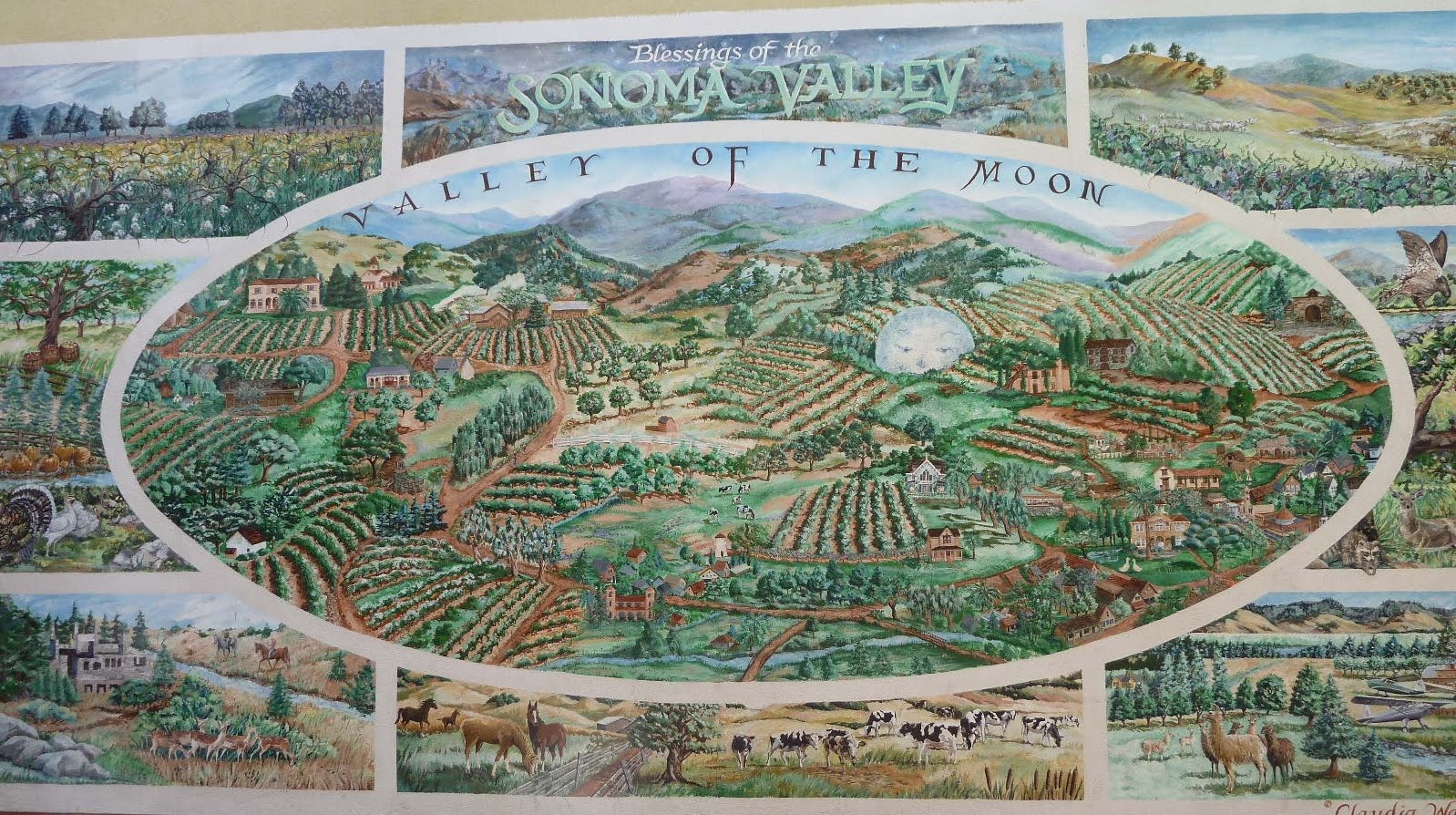
Sonoma California


Just finished a luxurious vacation to Sonoma. Sonoma is organized around a beautiful central plaza, the largest plaza in California at 8 acres. The plaza has separate "rooms" for making more intimate areas within the larger area. There is an historic building reconfigured for bathrooms and glorious rose gardens surrounding it. In the center is the historic city hall, designed with four identical sides to make the same pleasing face to merchants on all sides. Parallel parking is used around the plaza in order to increase the parking opportunities.


The plaza is surrounded by a combination of historic buildings and other buildings designed to fit within the area. The retail uses front directly onto the sidewalk, making a cozy pedestrian environment. There is still plenty of space for seating and sidewalk dining along with lush plantings throughout the area. The storefronts are filled with inviting displays, luring the shopper inside. The most intriguing were the uses of recycled objects to make either clothing or art (a picture of maps made into a dress is shown above, see others at the end of the slide show, don't miss it. To get to the slide show, click on Sonoma at the beginning of the post and start the slide show.) At the end of the slide show, there are pictures of another fun city, Healdsburg, also built around a central plaza.

Friday, April 1, 2011

Salt Lake City, Utah


We were in Salt Lake City Utah in March 2011. It was a work day and at 3 pm in the afternoon.. However, notice there is NO ONE on the streets. This is the financial core and there was virtually no retail or residential to be found.


Salt Lake City does have an array of interesting features: art, an historic clock shown above, wide sidewalks, decorative tiles in the sidewalks, historic plaques, signage, lighting. Of course, everything is beautifully clean and notice the planters are encased in granite.


Click on the Salt Lake link to see more pictures.

Baker City, OR


Baker City in March of 2011. Baker City has over 100 buildings on the National Register, and as the Oregon Main Street 2010 Summary states,"reflecting the opulence of the gold rush days and the rich heritage of the cattle and timber industries of the American West." They have restored over 80 buildings with their Destination Downtown 50/50 matching grant program. Baker City has the Geyser Grand Historic Hotel as a central focus. The exterior is impressive as is the interior. Dramatic dining areas with incredibly high box beam ceilings.

The pictures in the city were taken at 7 am in the morning, so don't show much activity in the area.


Notice the extremely wide streets: built for turning wagons and carriages with horses. (You can just see them on those wide streets!)

They have added all of the pedestrian amenities: benches, street lights, decorative signage, street trees.


If you go to visit Baker City, be sure to check out the museums and if it is ski season, ski the Anthony Lakes Ski Resort!

Boise, Idaho 2011


Downtown Boise also has its assets: a university community just blocks away, the seat of the state government on the opposite side. Although this stop in Boise was when there was 30 degree weather, there still is a lot of activity: notice all of the bikes out in the bike racks.


The main retail core has a strong supply of historic buildings to house the active retail. One main street is closed down to one lane of travel with restaurants flanking the street. All of the restaurants have outdoor seating, making a festive atmosphere.

New photos from Park City, Utah

Check out some great photos from Park City, Utah!